Rwanda strengthens the protection of persons deprived of liberty through its National Preventive Mechanism (NPM)
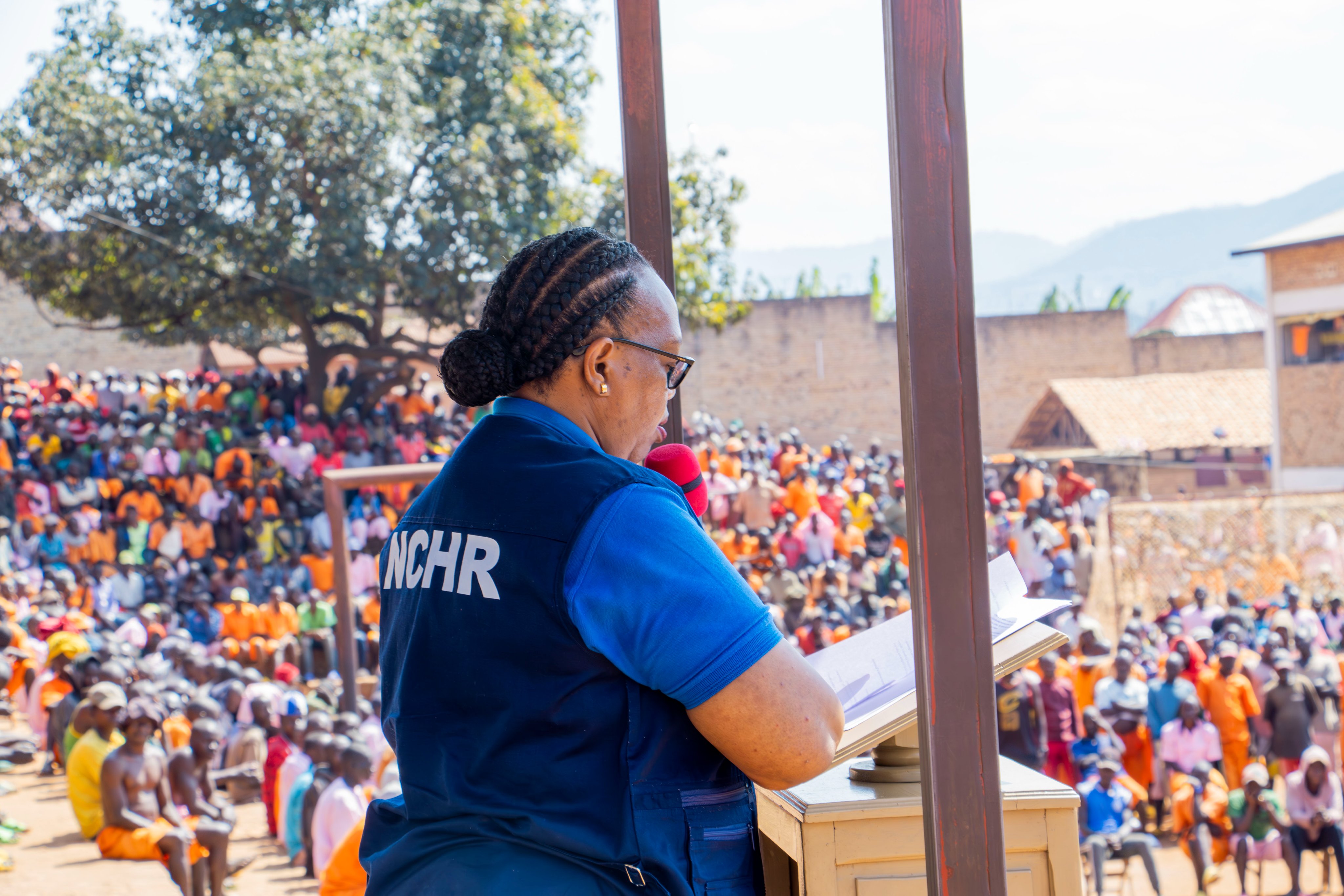
Rwanda ratified the Optional Protocol to the United Nations Convention against Torture and Other Cruel, Inhuman or Degrading Treatment or Punishment (OPCAT) on 30 June 2015, reaffirming its commitment to the absolute prohibition of torture and ill-treatment. Through this ratification, Rwanda undertook a binding international obligation to establish or designate a National Preventive Mechanism (NPM), an independent body tasked with regularly visiting places where people are deprived of their liberty, with the aim of preventing torture and other forms of ill-treatment.
In 2018, the Government of Rwanda designated the National Commission for Human Rights (NCHR) as the National Preventive Mechanism (NPM). In line with the OPCAT mandate, the NCHR is mandated to carry out regular and unannounced visits to all places of deprivation of liberty, including Rwanda Investigation Bureau (RIB) custodies, correctional facilities, preliminary and rehabilitation centers, elderly homes, and psychiatric hospitals. These visits aim to assess treatment and living conditions, identify risks of abuse, and promote adherence to human rights standards.
The Commission is also mandated to issue recommendationsto relevant authorities, contribute to policy reforms, submit annual reports on its findings, and engage in constructive dialogue with the government to strengthen national efforts in torture and ill-treatment prevention.
Since assuming its role as the NPM, the NCHR has taken significant steps to embed the preventive approach within its institutional framework. It has actively collaborated with both national and international partners, including the Association for the Prevention of Torture (APT) and the United Nations Subcommittee on Prevention of Torture (SPT), to strengthen the legal and operational safeguards against torture in Rwanda.
To support its monitoring and advocacy efforts, the Commission has developed training manuals and monitoring guides for use by detention staff, law enforcement officers, and human rights monitors. Recognizing the importance of accessibility, the NCHR has also translated key international human rights instruments into Kinyarwanda, including the United Nations Convention against Torture (UNCAT), OPCAT, theInternational Covenant on Civil and Political Rights (ICCPR), and the Universal Declaration of Human Rights (UDHR). These materials are used to raise awareness and promote a culture of human rights throughout the justice and security sectors.
The NCHR emphasizes that torture is strictly and universally prohibited under both international and Rwandan law. This prohibition is non-derogable and applies under all circumstances, including during states of emergency or national security concerns. Protecting individuals from torture and other cruel, inhuman, or degrading treatment is not only a legal duty, but a moral imperative that upholds the dignity of every person.
In its preventive role, the NCHR goes beyond inspection and monitoring. It works to educate and advise government institutions on best practices, identify systemic risks, and advocate for evidence-based reforms. The Commission also engages in public outreach, aiming to raise awareness among law enforcement, judicial actors, and the general public on the importance of upholding human rights in all circumstances.
The NCHR calls upon all stakeholders, government institutions, civil society organizations, legal professionals, and the public at large, to support this vital mission. Preventing torture requires a whole-of-society approach, rooted in transparency, accountability, and a shared respect for human dignity.
With continued cooperation and commitment at all levels, Rwanda can further strengthen its national protection system and ensure that the rights of all persons, especially those deprived of liberty, are fully respected and upheld.