NCHR Trains Justice and Law Enforcement Officers to Strengthen Torture Prevention
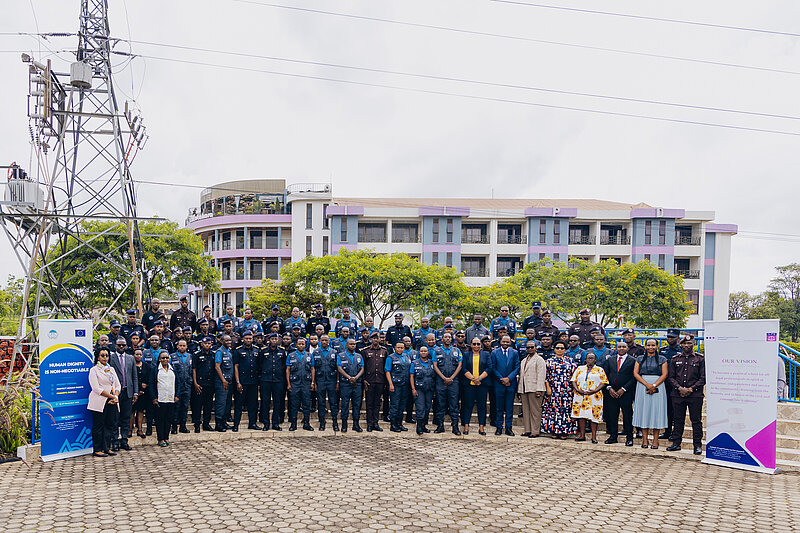
Nyanza, 24 November 2026 – The National Commission for Human Rights (NCHR), in its capacity as Rwanda’s National Preventive Mechanism (NPM) and in partnership with the European Union Delegation to Rwanda, is conducting a five-day training for 80 justice and law enforcement officers under the project “Strengthening the Promotion and Protection of Human Rights in Rwanda”. The training aims to enhance participants’ capacity to protect human rights and prevent torture and other forms of ill-treatment in the exercise of their professional duties.
The training, taking place from 23 to 27 November 2026 at the Institute of Legal Practice and Development (ILPD) in Nyanza District, is attended by officers from the Rwanda National Police (RNP), Rwanda Investigation Bureau (RIB), National Public Prosecution Authority (NPPA), Rwanda Correctional Service (RCS) and Rwanda Defence Force (RDF).
Building on previous training sessions conducted for justice sector officials, the initiative provides a platform for participants to exchange experiences, address common operational challenges and strengthen inter-institutional collaboration in promoting and protecting the rights of persons deprived of liberty.
In her opening remarks, NCHR Chairperson, Providence UMURUNGI, emphasized that respect for human dignity must remain at the heart of every action undertaken by justice and law enforcement officers.
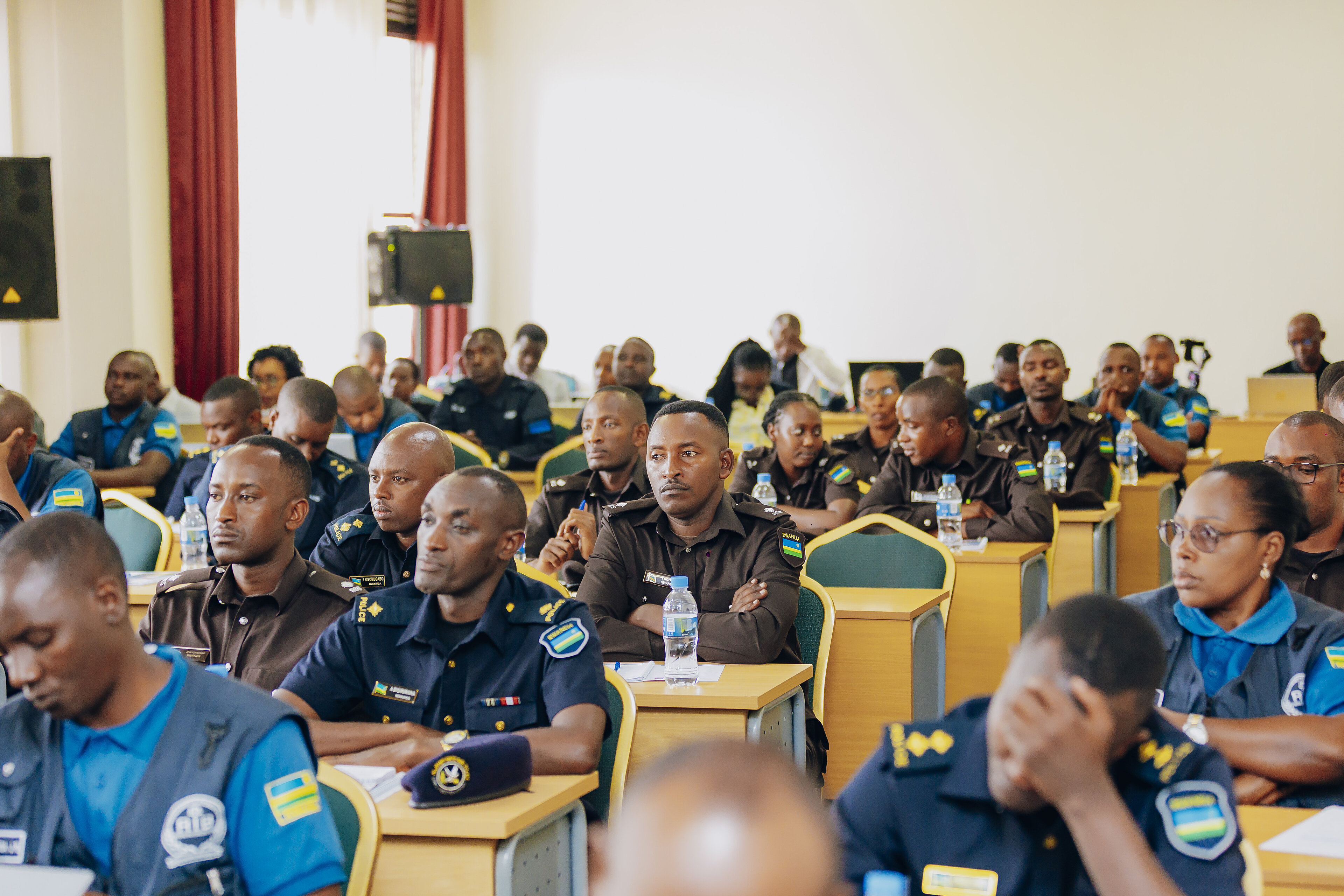
“The prohibition of torture is absolute. No exceptional circumstance, whether pressure to obtain a confession, a security concern or an order from a superior, can ever justify torture or other cruel, inhuman or degrading treatment or punishment,” she emphasized.
Throughout the training, participants will deepen their knowledge and understanding of national, regional and international human rights standards, with particular emphasis on legal and procedural safeguards during arrest and detention, human rights-based criminal investigations, the treatment of persons deprived of liberty, child-friendly justice, mediation and staff well-being.
Through interactive discussions, practical exercises, case studies and experience-sharing, the training seeks to equip participants with the knowledge and practical skills necessary to translate human rights principles into everyday professional practice.
By strengthening the capacity of justice and law enforcement officers, the NCHR continues to promote professional practices that uphold human dignity, safeguard fundamental rights and ensure that all persons deprived of liberty are treated with humanity and respect.